
Transformation Advisory & Execution · Focused Mandates
Senior automotive expertise,when you need it.
Focused monthly mandates for businesses that need experienced people to solve problems, build the work and help put it into practice, without adding another full-time executive or buying a traditional consulting team.
From US$5,000/month · three-month initial commitment
Senior people. Practical work. Get stuff done.
Agree the mandate and scope, then use the senior capacity on whatever work is necessary to move that scope forward, including implementation. You meet the person who will do the work before you commit.
Focused Mandates
See the whole model in one view.
Bring the situation that needs to move, work it through with a senior practitioner, and leave something different in the business. Click any starting situation or output to open the detail.
Bring the situation that needs to move
How the mandate works
The same senior practitioner can move across analysis, operating design, working material, implementation and the first review cycles rather than stopping at one stage.
What you get
Illustrative examples only. Actual outputs follow the agreed mandate.
Six common starting situations
Start with what is visibly not working.
Each route shows the kind of work we can take on inside a Focused Mandate. The detailed view explains what we would work through, what we would build and what could be put into use.
Everyone is busy. The important things still are not moving.
The work exists, but decisions, hand-offs and ownership keep pulling senior management back in.
Often behind it: ownership · hand-offs · decisions · management routines
Open this problem →The business is growing. It is also getting harder to run.
Growth has outpaced the roles, processes and systems that were built for a smaller business.
Often behind it: roles · central vs local · process design · management visibility
Open this problem →Margins are under pressure. Cost actions are not fixing the real problem.
The financial gap is visible, but pricing, inventory, dealer or partner economics, aftersales or the way the business is run may be causing it.
Often behind it: pricing · stock · dealer or partner economics · aftersales · process cost
Open this problem →We invested in the business. Is the plan actually being built?
Financial reporting shows activity. You need to see whether the capabilities and milestones behind the investment case are really taking shape.
Often behind it: assumptions · capabilities · milestones · intervention points
Open this problem →We want to enter a new market. What should we resolve first?
Demand is only one part of the decision. Partner route, economics, local responsibilities and launch requirements need to hold together.
Often behind it: market sequence · partners · local organisation · processes · economics
Open this problem →The opportunity is real. Now the business has to become workable.
The idea has moved forward. The next question is whether the commercial model, roles, processes and economics can carry the next stage.
Often behind it: customer priority · build/buy/partner · operating foundations · next proof points
Open this problem →What a Focused Mandate changes
The work does not have to stop at the recommendation.
The mandate can start with diagnosis and continue through the operating design, the working tools and the first execution cycles. The exact mix depends on what the agreed scope requires.
What this can look like in a month
A month should leave something different in the business.
You may spend part of the time with management, but this is not a retainer for meetings. We use the capacity to work through the issue, build what is needed and help put it into use.
Work through the numbers and fix the mechanism.
Trace where margin is being lost, rebuild the pricing, stock or partner logic that matters most, put owners around the change and review the first result.
Turn the next entry decision into working actions.
Compare partner routes, build the economics, prepare the decision, define the immediate operating requirements and support the first implementation steps.
Fix a broken way of working and put the new one into use.
Redesign the process or hand-off, build the working tools and responsibilities, run the first review with the team and adjust what still does not work.
Illustrative. The exact mix depends on the mandate and monthly capacity; larger pieces continue across successive months.
Already know what needs to move?
Bring the issue. We will work out whether a Focused Mandate fits.
You do not need a finished brief. Bring the situation, what has already been tried and what needs to change. We will test the fit, agree the mandate and identify the senior practitioner best suited to the work.
Direct senior response. No generic sales process.
Bring the situation, not a finished brief.
We will tell you whether the issue fits a Focused Mandate, what should sit inside the first three months and who should do the work.
Anonymised evidence from real work
Senior experience is useful only if it turns into work that holds up in practice.
The cases below show the kinds of problems the team has worked on and how the work moved from analysis into decisions, operating changes and implementation.
From board-approved direction into the operating model and implementation
A luxury EV entrant wanted the economics and control of direct sales, but the retail, aftersales, parts, pricing, supply-chain and governance system required to operate without a traditional dealer buffer did not yet exist. at.Pointe connected those elements into one operating model and modular business case.
What this proves: the integrated strategy and business cases received board approval, and the pricing, retail and aftersales workstreams moved into implementation. The work continued beyond the recommendation into the mechanics required to launch and run the model.
Dealer performance rebuilt at the importer level
Inconsistent dealer execution, reactive planning and unreliable forecasts repeatedly pulled senior management into local firefighting. Across earlier operating roles and later at.Pointe engagements, the importer operating system was redesigned across roles, planning governance, dealer steering, commercial alignment and execution routines.
What this proves: repeated dealer issues can be addressed upstream by fixing planning, roles, dealer steering and the routines used to run the importer business.
EV operating ecosystem designed ahead of market scale
Electrification was arriving without a complete operating model for high-voltage capability, charging, battery handling, repair, logistics, customer care and aftersales economics. In an earlier automotive operating role, Sebastian led the blueprint connecting standards, network roles, partners, service concepts and lifecycle economics.
What this proves: this experience covers multi-brand, multi-entity design where several capabilities and partners have to work as one system before scale.
What the cases show
Different situations. The same practical test: did useful work get done?
The cases matter because they show repeated work across OEMs, importers, retail networks, investors and growth businesses. The issue may start in one place, but the useful answer often crosses commercial, organisational and operating boundaries.
Dealer problems may start upstream. Margin may be lost through stock or partner economics. A stalled programme may be waiting on a decision rather than more effort.
We work across the connected parts of the issue rather than handing over a recommendation and leaving the client to reconstruct the implementation.
Where the mandate requires it, we help run the first reviews, implementation steps and adjustments until ownership is working in practice.
The point is simple: senior judgement matters more when it results in a better decision, completed work and a change the organisation can actually use.
Why this model exists
You may need this level of experience without needing another executive full time.
Focused Mandates give you a concentrated amount of senior working capacity for the work that matters now. That can be enough to resolve a decision, build a process or business case, implement a change or get a stalled piece of work moving.
Senior delivery
Meet the senior person who will actually do the work.
We do not put a senior name on the mandate and then hand the work to a junior consulting team. We match the work to experienced operators and consultants, and the people you meet remain directly involved in solving, building and implementing it.
The person you meet is the person who does the work.
The first row illustrates a delegated delivery model. Consulting delivery models vary by firm and engagement.
Meet the person first.
Once we understand the mandate, we identify the senior practitioner whose background best fits the work. You meet that person before the mandate begins. Where more than one suitable practitioner is available, you can choose who you prefer.
The same senior person stays in the work.
The practitioner does not disappear after the first meeting. They work through the analysis, build the required material or process, work with your team on implementation and review what happens next.
Add specialist experience only where it helps.
Additional senior practitioners can join where the mandate genuinely requires deeper market, commercial, retail, aftersales, data, systems, venture or implementation experience.
Automotive operating work across the parts of the business that have to connect.
Practitioners are proposed only where their experience genuinely fits the mandate.
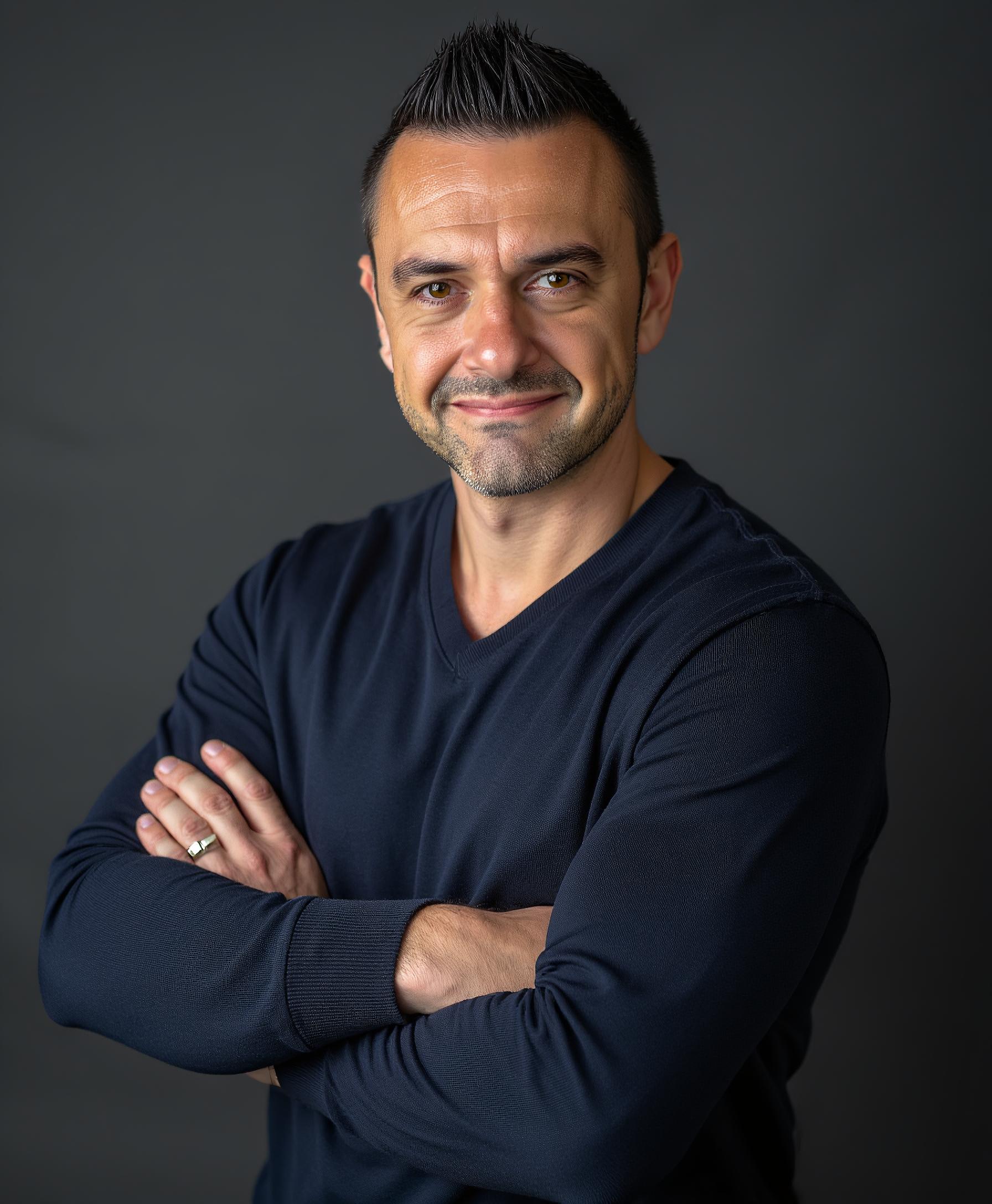
One clear senior line of responsibility.
Sebastian Bachmann normally leads the initial conversation and frames the mandate, and leads some mandates himself. Where another practitioner is selected, that person remains responsible for their delivery. Accountability stays visible throughout.
The boundary
One mandate. A defined monthly capacity.
The mandate sets the direction. The monthly capacity sets how much work gets done. Several connected issues can sit inside the same mandate if they contribute to the same objective.
If we uncover something important beyond the mandate, we do not just leave it there. We explain what needs to happen, the likely sequence and the capability required. Doing that additional work is then a separate decision.
Can sit inside the mandate
- Analysis and evidence review
- Business cases and commercial models
- Process, role and organisation design
- Partner and market-entry work
- Management, investor and decision material
- Implementation and first operating reviews
Needs separate agreement
- Unrelated priorities added later
- Capacity above the agreed monthly amount
- Full transformation-programme ownership
- Software development
- Legal or regulated professional advice
- Fundraising representation
How we work
From structural diagnosis to working execution.
The range one mandate can cover
The same senior practitioner can work from the question into execution.
The first two rows are illustrative operating models. The Focused Mandate row shows the range the mandate can cover when the agreed scope requires it.
Diagnose the structural constraint
Work out what is actually causing the problem, not only what is visible first.
Redesign the operating model
Turn the decision into workable roles, processes, economics and responsibilities.
Build the execution system
Build the tools, routines, workstreams and information needed to make the answer usable.
Embed and measure
Help put the change into use, review what happens and transfer ownership into the business.
Where the model fits
Automotive first. Selected work beyond it where the operating problem is comparable.
We work primarily with OEM and mobility organisations, importers and national sales companies, dealer and distribution groups, funded automotive startups, and investors or portfolio companies where automotive operating experience is relevant.
Outside automotive, we engage selectively where the business has comparable conditions: complex distribution, high asset intensity, fragmented systems, margin pressure, several parties sharing responsibility or significant structural change.
The thinking behind the work
Research that sharpens the operating question.
Thinking supports the work. It does not replace proof.
An automotive investment can drift before the P&L shows it
→ 02Economics & Value ChainThe Import-First Sequence Is Broken: Distribution Is Now Capital Allocation
→ 03Automotive StrategyThe Execution Vacuum: Why Automotive Transformation Fails in Orchestration, Not Strategy
→ 04System & GovernanceThe Importer Who Cannot Exit
→Focused Mandates
If something important needs to move, bring it to us.
Tell us what is happening, what has already been tried and what needs to change. We will tell you whether a Focused Mandate fits, who should work on it and what the initial three-month commitment would look like. After that, mandates continue month to month with 30 days’ notice.
From US$5,000/month. Direct senior response.